Pigmentation: Why It Keeps Coming Back (And What You Can Do About It)
If you've spent hundreds of dollars trying to fade pigmentation only to watch it return a few months later, you're not alone.
Pigmentation is one of the most frustrating skin concerns to treat because it isn't simply a skin problem. It's the result of complex biological pathways influenced by your hormones, inflammation, sun exposure, lifestyle and even your overall health.
Many products can temporarily lighten dark spots, but unless the triggers causing your pigmentation are addressed, it often returns.
Understanding why pigmentation develops is the first step towards achieving clearer, brighter and more even-toned skin.
What Is Pigmentation?
Pigmentation, also known as hyperpigmentation, occurs when specialised skin cells called melanocytes produce excess melanin. Melanin is the pigment responsible for the colour of our skin, hair and eyes.
When melanin production becomes overactive, it creates areas of darker skin that appear as:
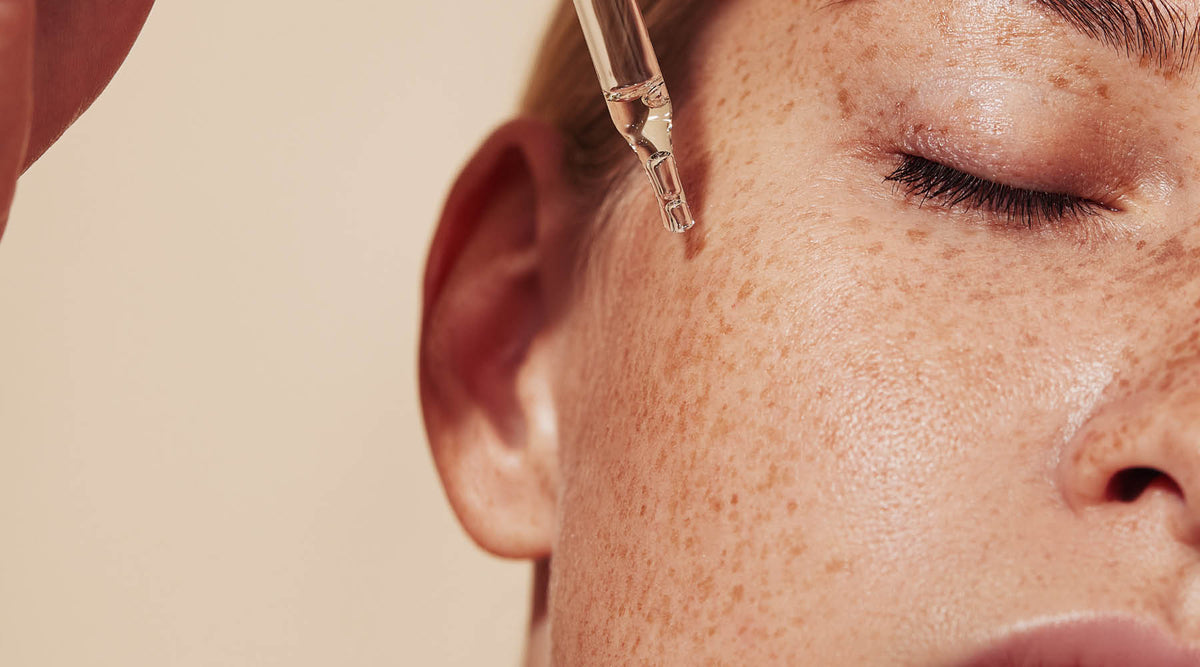
- Sun spots (solar lentigines)
- Melasma
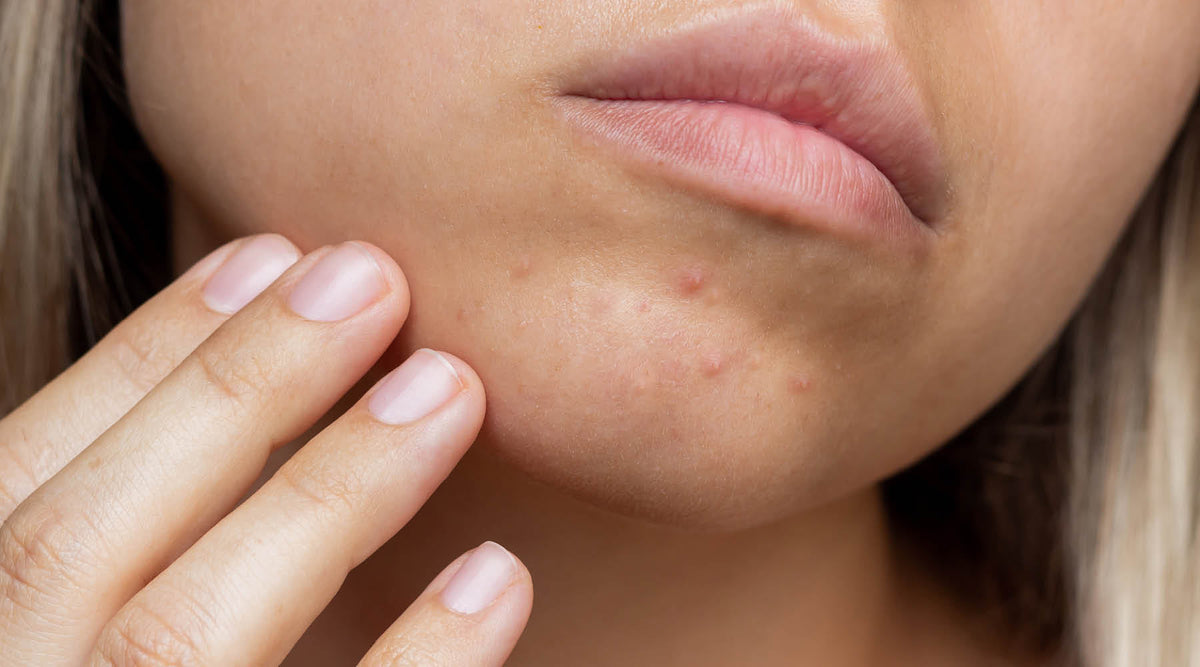
- Post-inflammatory hyperpigmentation (PIH) after acne or injury
- Age spots
- Uneven skin tone
Although these conditions may look similar, the underlying causes are often very different.
What Causes Pigmentation?
Pigmentation is rarely caused by one single factor. Instead, multiple biological pathways work together to stimulate excess melanin production.
Some of the most common causes include:
UV Exposure
Sunlight is the biggest trigger for pigmentation.
Even a few minutes of UV exposure can stimulate melanocytes to produce more melanin. This is why pigmentation often worsens during summer and why spots you've already treated seem to reappear.
Hormonal Changes
Hormones play a major role in conditions such as melasma.
Pregnancy, the contraceptive pill, menopause and hormone fluctuations can all increase pigment production. This is why melasma often appears on the cheeks, forehead and upper lip.
Inflammation
Any inflammation within the skin can stimulate pigment production.
This includes:
- Acne
- Eczema
- Rosacea
- Dermatitis
- Skin injuries
- Aggressive treatments
Once the inflammation settles, the pigment can remain for months or even years.
Ageing
As we age, years of accumulated UV exposure become more visible.
This leads to the appearance of sun spots and uneven pigmentation that weren't obvious in younger years.
Genetics
Some people are simply more genetically prone to developing pigmentation, particularly melasma.
Lifestyle Factors That Can Make Pigmentation Worse
This is where many people become frustrated.
You may have an excellent skincare routine, but if your daily habits continue triggering pigment production, your results can be slow or temporary.
Some common lifestyle triggers include:
Sun Exposure
Even incidental exposure while driving, walking the dog or sitting near windows contributes to pigmentation.
Daily sun protection is essential.
Heat
Many people don't realise that heat alone can worsen pigmentation.
Saunas, hot yoga, steam rooms, hot showers and even cooking over a hot stove can stimulate melanocytes, particularly in people with melasma.
Chronic Stress
Stress increases inflammatory signalling throughout the body.
Higher levels of inflammatory mediators can stimulate pigment production while slowing the skin's ability to repair itself.
Poor Sleep
Sleep is when much of your skin's repair occurs.
Poor sleep can increase inflammation and oxidative stress, making pigmentation more difficult to improve.
Diet
While diet isn't the direct cause of pigmentation, excessive sugar, processed foods and chronic inflammation can contribute to oxidative stress within the body.
A nutrient-rich diet containing colourful fruits, vegetables and healthy fats helps support healthier skin.
Smoking
Smoking dramatically increases oxidative stress, reduces circulation and slows skin repair, making pigmentation harder to treat.
Why Is Pigmentation So Difficult to Treat?
Pigmentation isn't controlled by one switch.
It is regulated through an interconnected network of biological pathways involving inflammation, oxidative stress, hormones, growth factors and communication between skin cells.
Many products only inhibit one enzyme called tyrosinase.
While that can help, your skin still has numerous other pathways capable of producing pigment.
This is why many treatments plateau or pigmentation quickly returns.
Why Pigmentation Often Comes Back
This is one of the biggest misconceptions.
Removing existing pigment doesn't stop your skin from creating more.
If the original trigger remains, whether that's UV exposure, hormones, inflammation or heat, your melanocytes continue receiving signals to produce melanin.
Think of it like mopping up water from a leaking tap.
You can keep drying the floor, but unless you turn off the tap, the puddle keeps returning.
The same applies to pigmentation.
The goal isn't simply removing pigment already present. It's reducing the signals telling your skin to make more.
The Best Skincare Approach for Pigmentation
Successful pigmentation management usually requires addressing both internal triggers and topical skincare.
That means:
- Wearing broad-spectrum sunscreen every day.
- Avoiding unnecessary heat exposure where possible.
- Managing inflammation.
- Supporting a healthy skin barrier.
- Using ingredients that interrupt multiple pigmentation pathways instead of relying on just one.
Why Skin Brightening C Serum Is Different
Most brightening serums focus on one or two mechanisms involved in pigmentation.
Skin Brightening C Serum takes a much broader approach.
Rather than relying on a single ingredient, it targets virtually every major biological pathway involved in excess pigment production.
Its advanced formulation combines stable vitamin C with niacinamide, Oligopeptide-68, liquorice, mulberry, pea extract and multiple botanical antioxidants to help reduce:
- Oxidative stress
- Inflammation
- Tyrosinase activity
- Melanosome transfer
- MITF activation
- Vascular signalling
- Upstream SCF/c-KIT stimulation
- Endothelin-1 mediated inflammation
Instead of approaching pigmentation from one angle, Skin Brightening C Serum interrupts the biological network responsible for creating excess pigment.
By reducing multiple signals involved in melanin production, it helps support a brighter, more even complexion while helping minimise future pigmentation formation.
The Bottom Line
Pigmentation is rarely solved with a single product.
The best long-term results come from combining targeted skincare with lifestyle changes that reduce the constant triggers driving pigment production.
If you continue exposing your skin to excessive UV, heat or ongoing inflammation, pigmentation will often return no matter how effective your skincare is.
By addressing both the biology of pigmentation and the factors that trigger it, you give your skin the best opportunity to achieve a clearer, brighter and more even complexion.