

Rosacea and Triggers: Why Your Skin Keeps Flaring and What Actually Helps
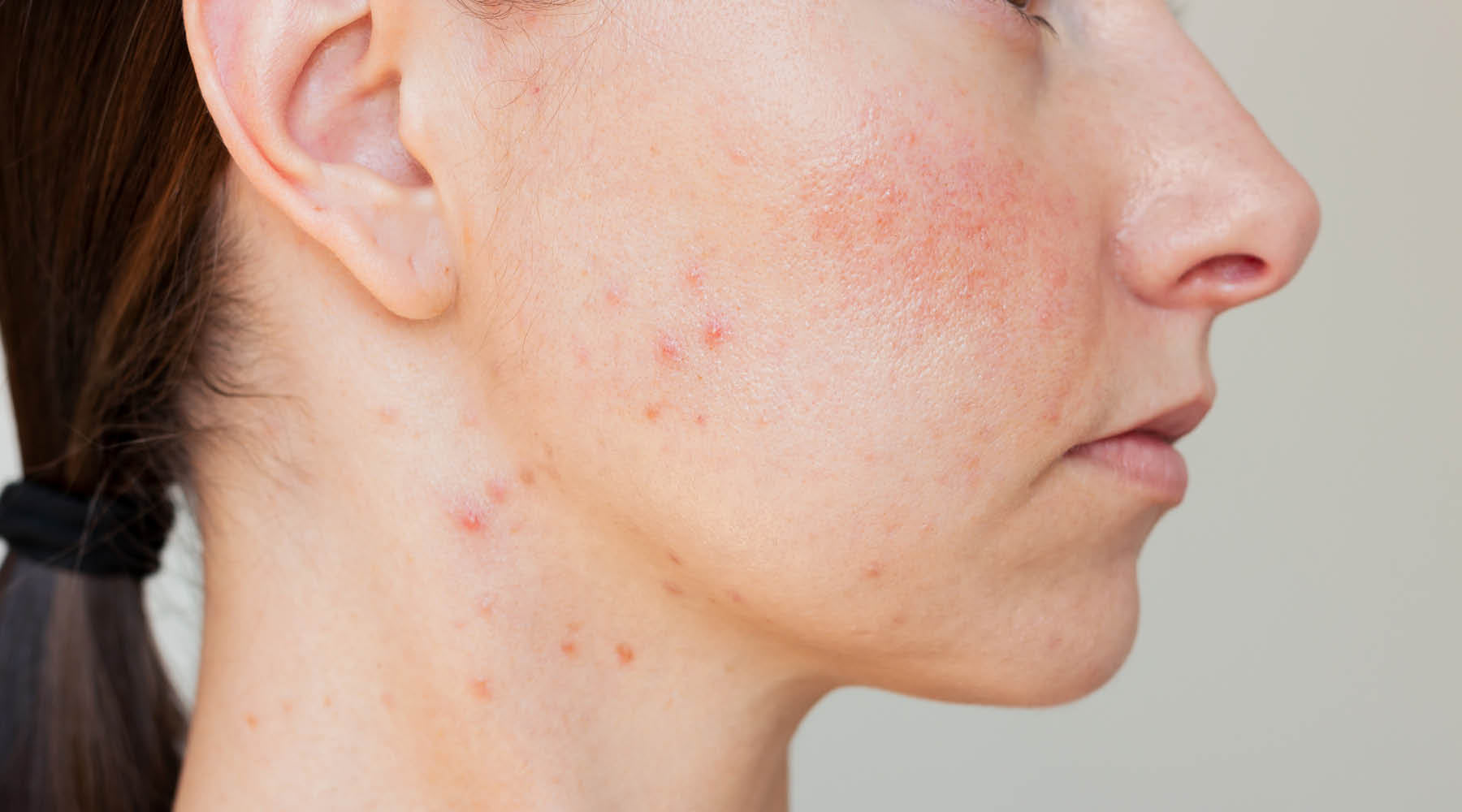
If you experience persistent redness, flushing, heat, stinging, or acne-like breakouts, and your skin seems to react to everything, you may be dealing with rosacea.
Rosacea is a chronic inflammatory condition involving vascular instability, barrier dysfunction, and often neurogenic inflammation. It’s not something you grow out of. There is no cure, but it can be managed. With the right approach, flare-ups become less frequent, sensitivity reduces, and the skin becomes more stable.
Managing rosacea means understanding your triggers, removing them, and giving your skin the right tools to function properly.
What’s Really Going On in Rosacea Skin
Rosacea-prone skin is hypersensitive to stimuli that wouldn’t affect most people. The nervous system is on high alert, the blood vessels are unstable, and the immune system tends to overreact. When the skin encounters a trigger, inflammatory chemicals flood the area, leading to redness, swelling, heat, or pustules.
This constant cycle weakens the skin barrier further, making it even more reactive over time. To break the cycle, you need to identify what’s triggering it, and support the skin in recovering from inflammation and damage.
The Most Common Triggers for Rosacea and Why They’re a Problem
Heat
Heat causes blood vessels to dilate. In rosacea-prone skin, they don’t rebound properly, leading to prolonged flushing and visible capillary damage over time.
• Hot showers
• Saunas
• Spicy food
• Intense exercise
• Sun exposure
• Hot drinks
UV Exposure
UV light causes oxidative stress and damages the skin’s structural proteins. It triggers inflammatory responses and impairs an already fragile barrier.
• Sunlight
• Tanning beds
• Incidental exposure without SPF
Alcohol (especially red wine)
Alcohol promotes vasodilation and inflammation. Red wine contains histamines and tannins, which make it one of the most common dietary triggers for rosacea.
• Red wine
• White wine
• Champagne
• Spirits
Harsh skincare ingredients
Many common ingredients in cleansers, exfoliants, or moisturisers damage the barrier or overstimulate the nerves in rosacea skin.
• Foaming cleansers
• Acids (AHA, BHA, retinol)
• Low allergen fragrances
• Strong preservatives or actives
Niacinamide and cinnamates
Niacinamide can be helpful at low levels, but in high concentrations or on compromised skin, it may cause burning or flushing. Cinnamates, found in many chemical sunscreens, are known to trigger irritation.
• Chemical SPF (ethylhexyl methoxycinnamate)
• BB creams and tinted moisturisers
• Serums with high niacinamide percentages
Emotional stress
Stress activates the nervous system and increases the release of inflammatory mediators like substance P. These neuropeptides intensify redness, heat, and barrier breakdown in rosacea.
• Anxiety
• Sleep deprivation
• Emotional distress
• Overworking or chronic mental fatigue
Alcohols and fragrance in skincare
Drying alcohols and fragrance are highly sensitising for rosacea skin. Even naturally derived essential oils can overstimulate nerve endings and disrupt the skin barrier.
• Toners
• Astringents
• “Cooling” gels
• Sprays or mists
• Essential oil-based “natural” skincare
Why Avoiding Triggers Isn’t Enough
Removing your triggers is only part of the solution. Once inflammation is active and the barrier is compromised, your skin needs functional support. Without it, even small triggers will keep setting you off.
Rosacea-prone skin needs help with:
- Rebuilding the lipid barrier
- Calming inflammation at the follicular and nerve level
- Strengthening fragile capillaries
- Killing demodex mites

What Rosacea-Prone Skin Actually Needs
Skin with rosacea requires more than “gentle” skincare. It needs active support that strengthens function without triggering reactivity.
Look for:
- Lipid-based moisturisers with ceramides, sterols, and cholesterol
- Humectants that hydrate without stinging
- Anti-inflammatory botanicals that target vascular and neurogenic inflammation
- No fragrance, essential oils, acids, or drying alcohols
- Microbiome-friendly formulations that support skin resilience
Roccoco’s Rosacea Routine: What We Recommend
Every Roccoco product for rosacea is formulated to support recovery, not just mask symptoms. Our approach focuses on reducing inflammation, rebuilding the barrier, and stabilising the skin’s vascular and nerve response.
Here’s our recommended core routine for rosacea-prone skin:
Ruby Crystal Cleanser
Non-stripping gel cleanser that calms and nourishes while preserving barrier integrity. Ruby crystals assist in skin regeneration.
Hydrating Treatment Essence
Boosts hydration without irritation. Increases skin resilience and enhances absorption of treatment products.
Reactive Skin Serum
Calms flushing, visible capillaries, and burning sensations. Formulated to regulate vascular response and reduce neurogenic inflammation.
Radiance Cream
Lightweight, barrier-strengthening moisturiser for hyper-reactive skin. Calms inflammation without occlusion or heaviness.
Reactive Skin Cream Intense (for papulopustular rosacea)
Best for rosacea with pustules or acne-like breakouts. Balances inflammation and supports skin clarity without compromising the barrier.
[Shop our Rosacea Bundle] Final Thoughts
Rosacea is not a temporary flare. It’s a chronic condition involving vascular, neurological, and immune reactivity. While there’s no cure, there is a clear path to reducing flares and restoring skin stability.
You need to identify your triggers, remove them, and support the skin with ingredients that strengthen its natural defences.
With the right products and consistency, rosacea can be managed effectively and your skin can become visibly calmer, stronger, and more predictable.
Read more

Facial skincare is taken seriously. People commit to multi-step routines, in-clinic treatments, and targeted actives to preserve the face. But look beyond the jawline to the chest, arms, legs, or b...
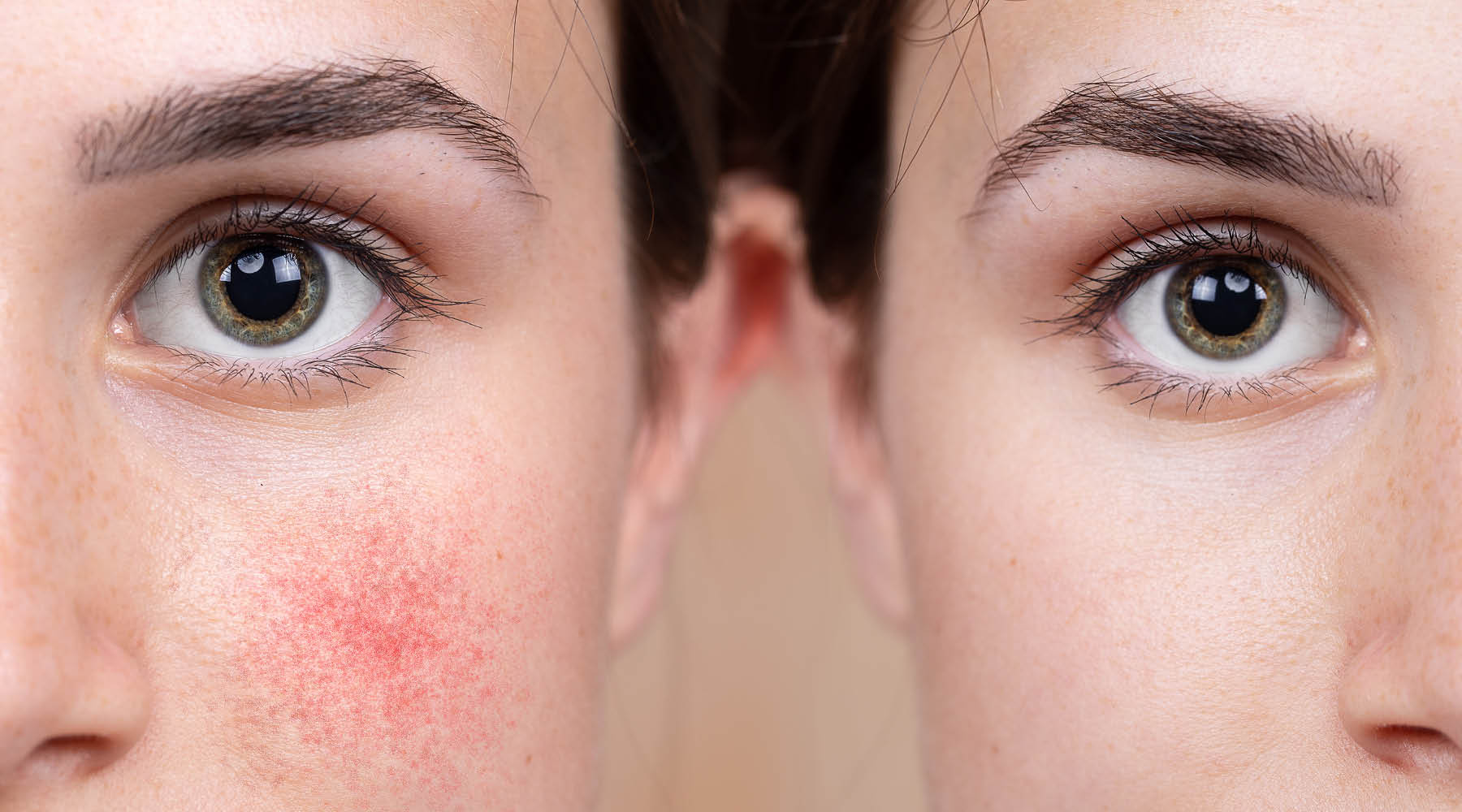
If your rosacea keeps flaring, never fully settles, or seems to come back no matter what you try, the issue isn’t that your skin is "difficult". The problem is far simpler and far more frustrating....