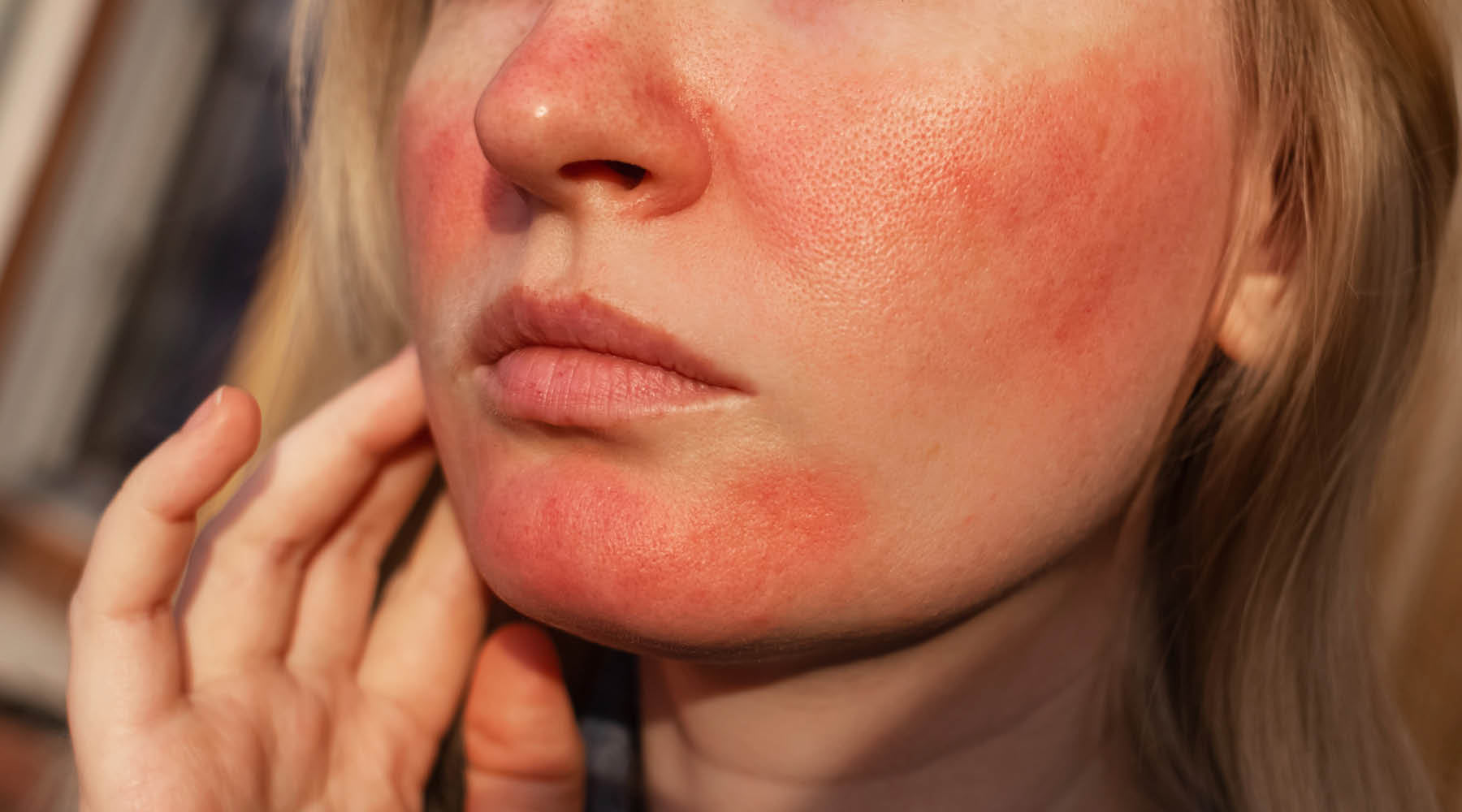
If your face suddenly feels hot, turns red without warning, or reacts to things like heat, stress, or skincare, it’s easy to assume your skin is just "sensitive". It’s not. That’s flushing. And in rosacea, flushing isn’t random; it’s a sign your skin has lost control over how it regulates blood flow.
Flushing happens when your blood vessels dilate, allowing more blood to rush to the surface of the skin. This creates redness, heat, and, often, a burning or stinging sensation. In normal skin, this response is brief and tightly controlled. In rosacea-prone skin, that control system is broken. The vessels dilate too easily, stay open too long, and react to triggers that shouldn’t cause a response.
A major driver of this is nitric oxide (NO), a molecule that signals blood vessels to relax and widen. In rosacea, nitric oxide activity is increased, which means the signal to dilate is stronger and more frequent. This is why something as simple as a warm room or a glass of wine can trigger an intense flush.
 Normally, your skin would counterbalance this with endothelin-1 (ET-1), which constricts blood vessels and helps bring the skin back to baseline. But in rosacea, this balance is disrupted. Either endothelin-1 signalling is insufficient, or it’s completely overridden by the strength of the vasodilatory signals. The result is unopposed dilation, your skin flushes easily and struggles to recover.
At the same time, your nervous system is amplifying the problem. Overactive nerve endings release neuropeptides like substance P and CGRP, which further drive vasodilation and inflammation. This is why flushing can be triggered not just by physical factors but also by stress, emotion, or even applying certain products.
Layer in chronic inflammation, driven by mediators like IL-1 and TNF-alpha, and your skin’s threshold for reaction drops even further. Now it doesn’t take much to set it off, and once it’s triggered, it lingers. This is why your skin can feel unpredictable and reactive to almost everything.
This is also where most people go wrong, and why the flushing never improves. They rely on “gentle” skincare, avoid actives completely, and focus only on soothing the skin. While this may temporarily reduce discomfort, it does nothing to correct the underlying pathways driving the flushing.
Flushing isn’t caused solely by a lack of hydration or a damaged barrier. It’s driven by excessive vasodilation through nitric oxide, poor vascular regulation involving endothelin-1, neurogenic inflammation, and ongoing inflammatory signalling. If you’re not using the right actives to target these pathways, your skin will continue to flush.
Avoiding activities doesn’t protect your skin; it leaves these mechanisms unchecked. Your triggers don’t change, your reactions don’t reduce, and your skin stays stuck in the same cycle. Over time, repeated flushing leads to more permanent changes. Blood vessels remain dilated, redness becomes constant, and the skin becomes increasingly reactive.

To break this cycle, you need more than calming products. You need actives that regulate vascular response, reduce nitric oxide-driven dilation, support proper endothelin-1 balance, calm neurogenic signalling, and control inflammation at a cellular level.
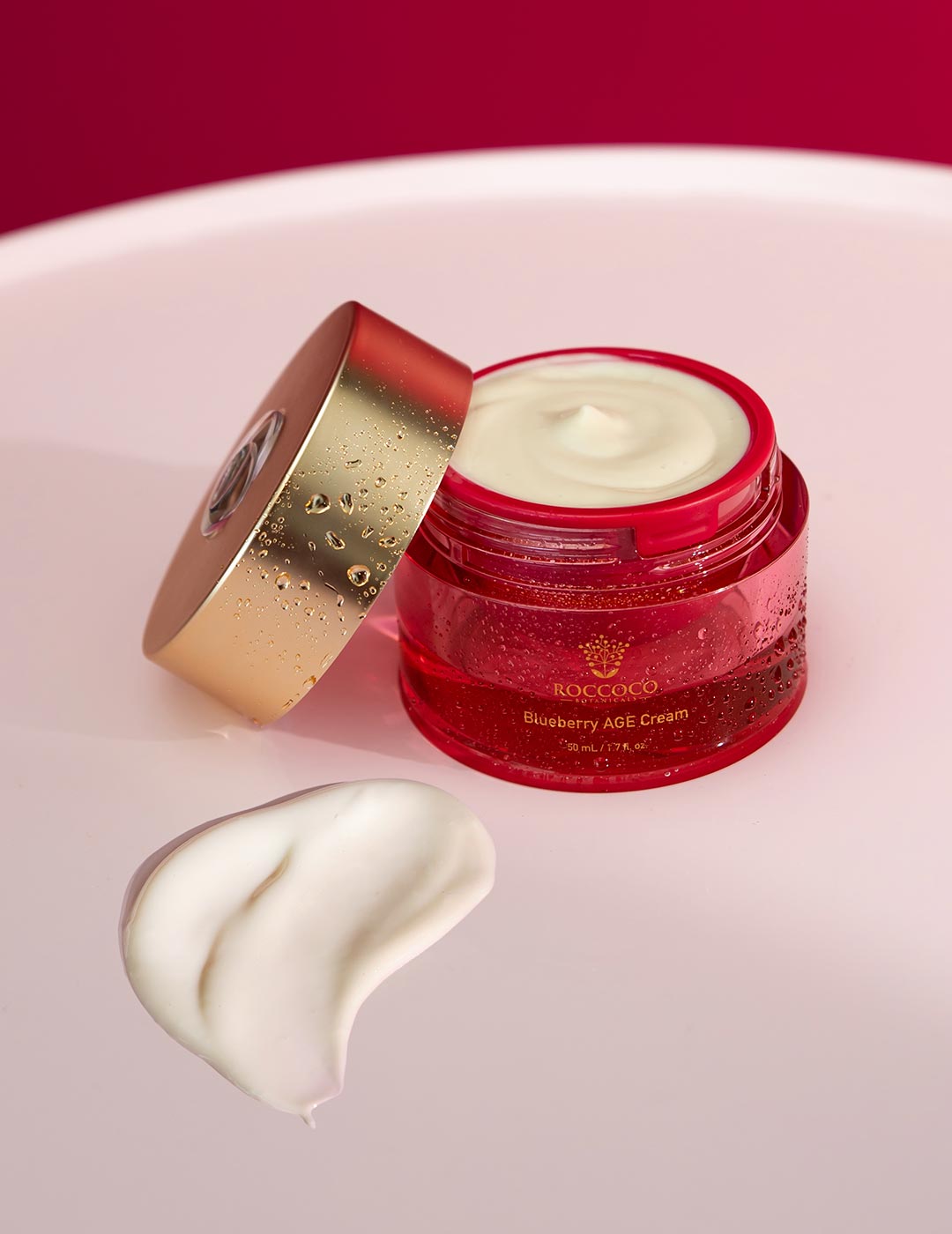
This is where most skincare falls short and where a targeted approach changes everything. At Roccoco Botanicals, the focus isn’t just on soothing the skin. It’s about restoring control. By using the right actives to regulate these underlying pathways, the skin is no longer constantly pushed into a flushing response. Instead of reacting to everything, it begins to stabilise.
Flushing isn’t something your skin just does. It’s what happens when the systems meant to control it aren’t supported. And until you correct that, your skin will keep responding the same way.