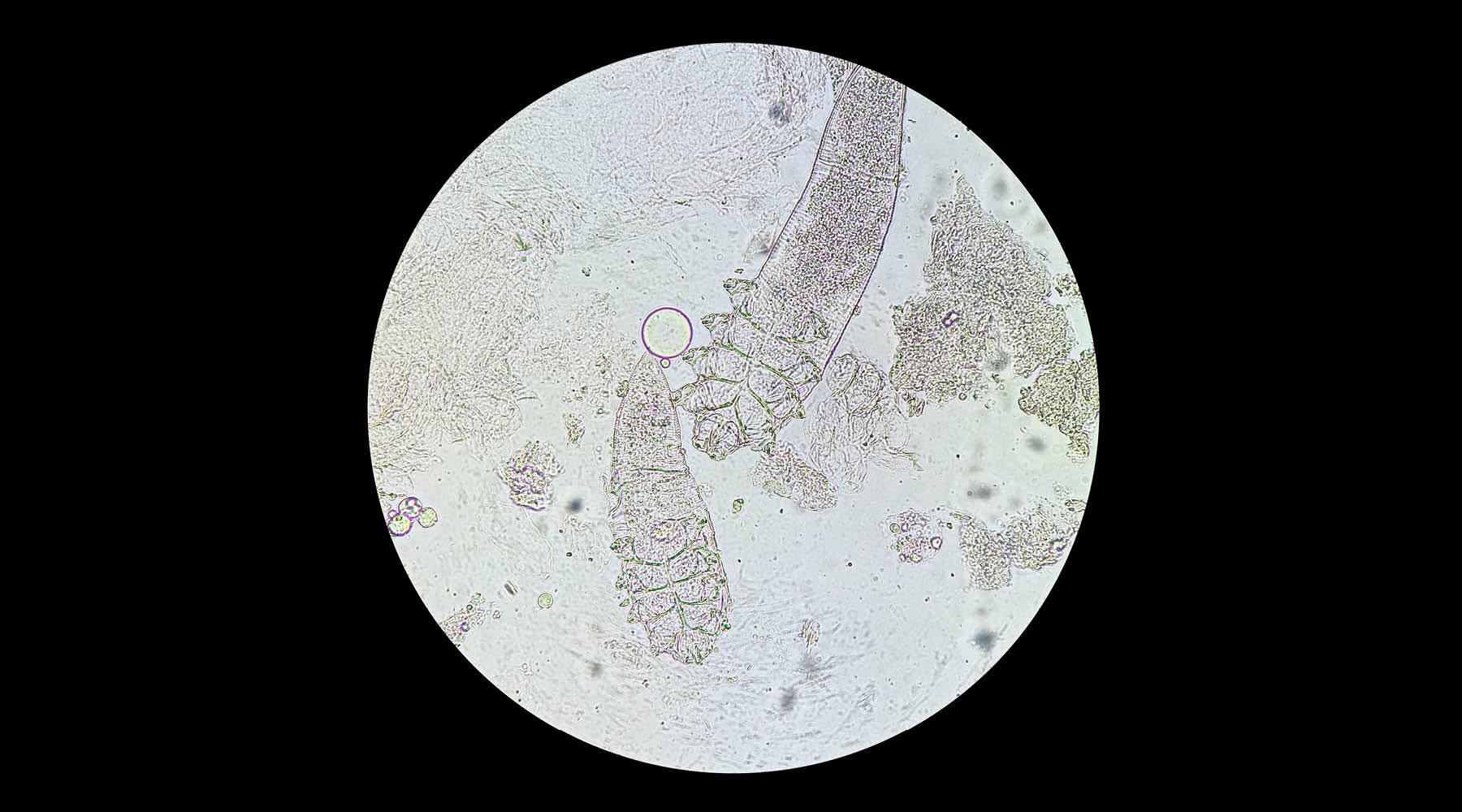
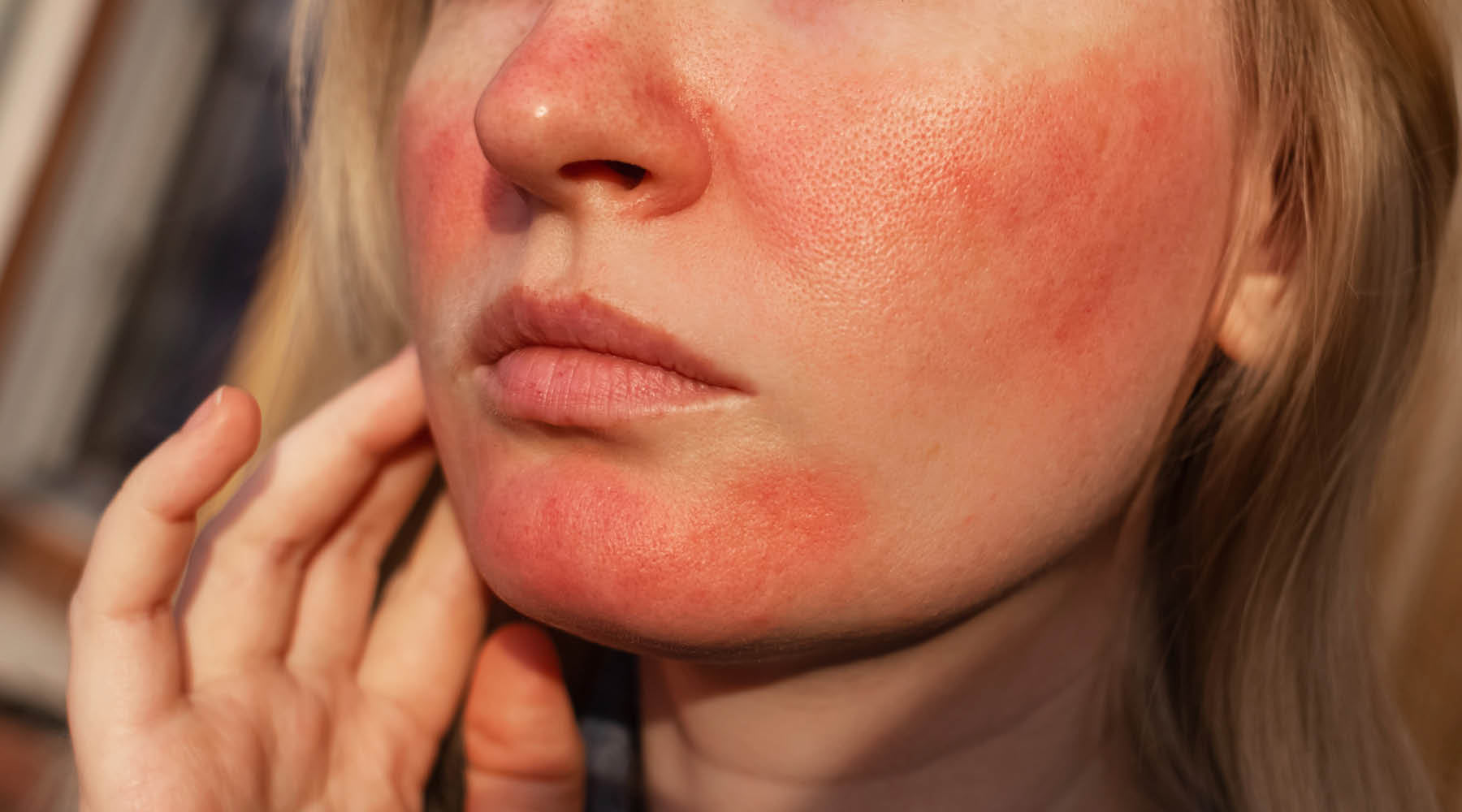
If your rosacea comes with persistent redness, bumps, or pustules that never fully resolve, there’s a strong chance you’re not just dealing with “sensitive skin". One of the most overlooked triggers is Demodex mites, microscopic organisms that naturally live on your skin but can become highly problematic in rosacea.
Demodex mites are completely normal. They live in your hair follicles and oil glands, feeding on sebum and cellular debris. In healthy skin, they exist in balance and cause no issues. But in rosacea, particularly papulopustular rosacea (PPR), their numbers increase significantly, and more importantly, the skin’s ability to tolerate them breaks down. This is where the problem begins.

The issue isn’t just the presence of the mites, it’s the immune response they trigger. In rosacea-prone skin, the innate immune system is dysregulated, meaning it overreacts to stimuli that would normally be harmless. When Demodex populations increase, they carry bacteria such as Bacillus oleronius. As the mites die and decompose within the follicle, they release bacterial proteins and debris into the skin. This is what activates the immune system.
At the centre of this response is Toll-like receptor 2 (TLR2), which becomes overactive in rosacea. This activation drives the production of cathelicidin (LL-37) and kallikrein 5 (KLK5): molecules that are meant to defend the skin but, in this case, become destructive. Instead of protecting the skin, they amplify inflammation, damage surrounding tissue, and trigger the redness and pustules characteristic of rosacea. At the same time, inflammatory cytokines like IL-8 and TNF-alpha are released, further escalating the response.
This is why rosacea linked to Demodex often looks like acne but behaves very differently. The presence of bumps and pustules leads many people to treat it as acne, using aggressive exfoliants, benzoyl peroxide, or strong actives. But this approach fails because acne is primarily driven by C. acnes and congestion, whereas rosacea with Demodex involvement is driven by immune hypersensitivity, microbial imbalance, and inflammatory signalling. Treating it like acne only worsens inflammation and further destabilises the skin.
A common mistake is to focus purely on eliminating the mites. While reducing Demodex can help, it doesn’t address the core issue, which is the skin’s inability to regulate its immune response. Without correcting this, the cycle continues. The skin remains reactive, inflammation persists, and flare-ups return, even if mite populations are temporarily reduced.
To properly manage this form of rosacea, multiple pathways need to be addressed simultaneously. This includes reducing microbial imbalance without damaging the barrier, regulating the overactive immune response (particularly TLR2 and cathelicidin pathways), controlling inflammation at its source, and strengthening the skin so it becomes less reactive over time. Anything less than this will only deliver partial or temporary results.

This is where most skincare falls short. It either focuses on killing microbes or calming the skin, but rarely both in a way that restores balance. At Roccoco Botanicals, the approach is different. Instead of targeting a single trigger, formulations are designed to address the interaction between microbes, immunity, and inflammation, bringing the skin back into a regulated state. This allows the skin to tolerate normal microbial populations again without triggering an exaggerated response.
The key point to understand is this: Demodex mites are not the problem on their own, your skin’s reaction to them is. And until that response is properly managed, the cycle of redness, irritation, and breakouts will continue.
If your rosacea hasn’t improved despite trying multiple treatments, it may be time to look beyond surface symptoms. When you address the underlying biology—not just what you see, you finally give your skin the chance to stabilise.