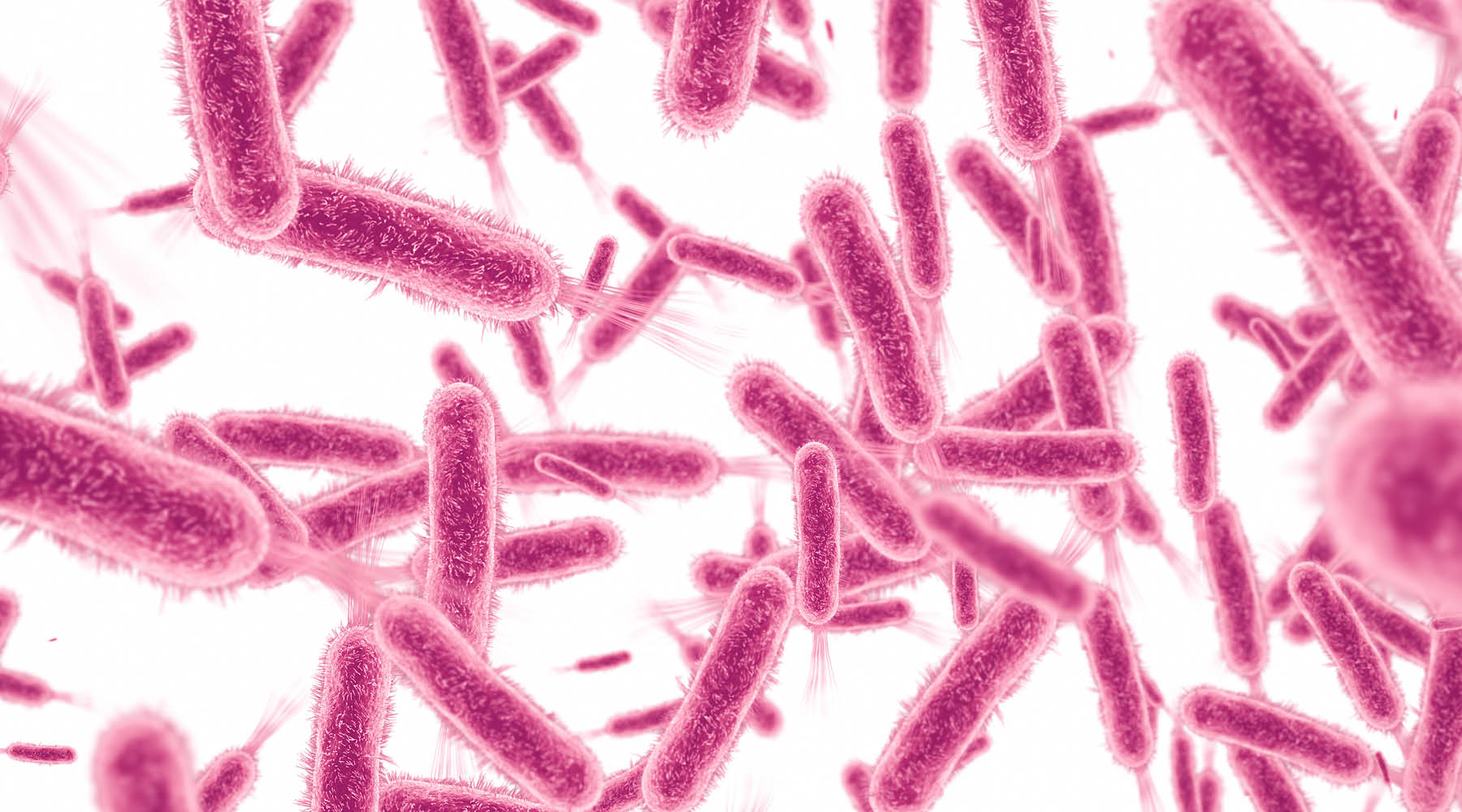
If your rosacea comes with persistent redness, bumps, or pustules that don’t respond to typical treatments, there’s something deeper going on than just “sensitive skin". One of the most overlooked drivers is a bacteria called Bacillus oleronius, and it plays a far more significant role in rosacea than most people realise.
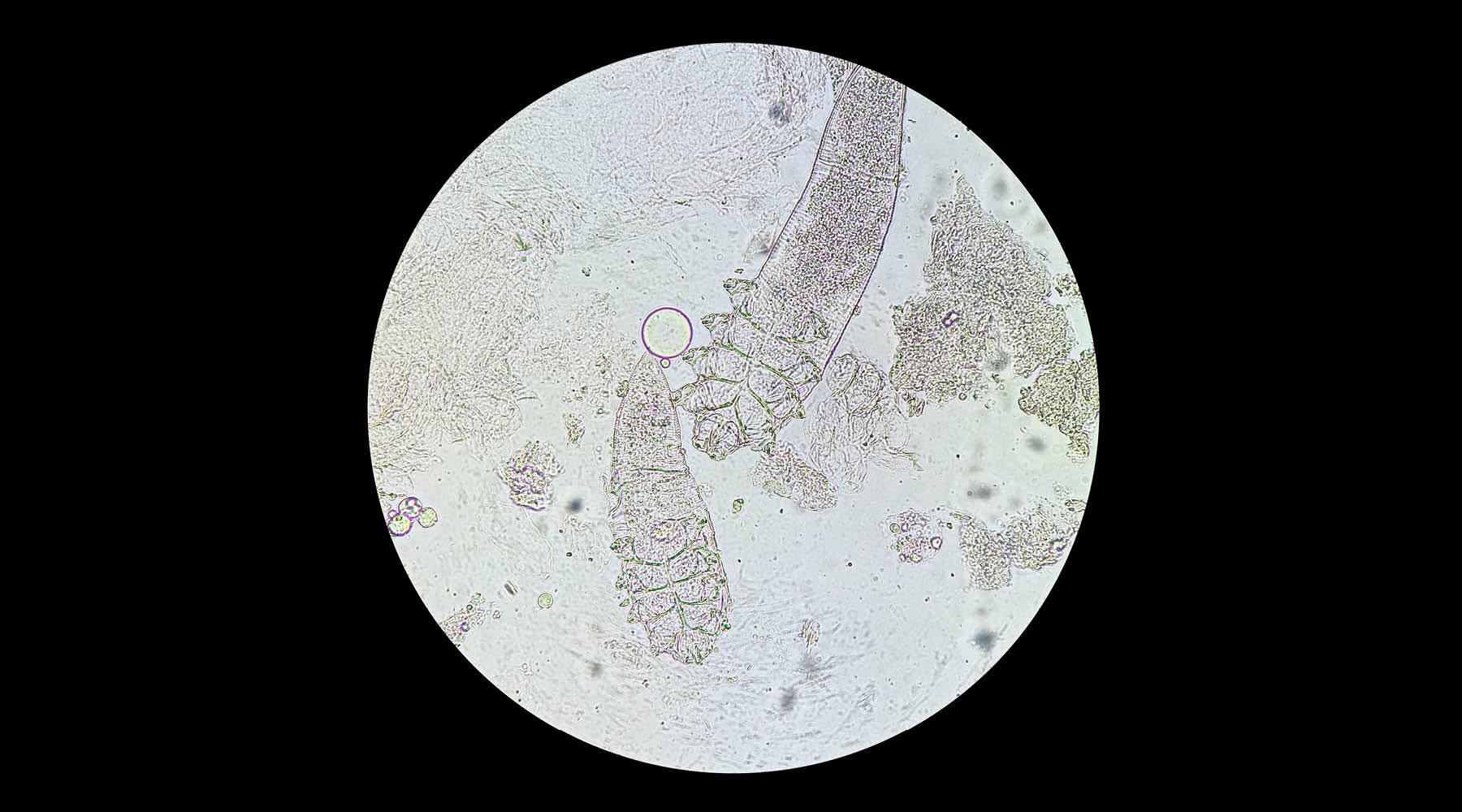
Bacillus oleronius is closely associated with Demodex mites, the microscopic organisms that live inside your hair follicles. These mites act as carriers, meaning when their population increases, so does the presence of this bacteria. On its own, that might not seem like a problem. But in rosacea-prone skin, it becomes a major trigger for inflammation.

The issue isn’t just that the bacteria are there; it’s how your skin reacts to it. When Demodex mites die, they break down inside the follicle and release bacterial proteins and antigens from Bacillus oleronius. These substances are highly stimulating to the immune system. In normal skin, this would be controlled. In rosacea, it isn’t. The immune system overreacts.
This response is driven through the innate immune system, particularly via Toll-like receptor 2 (TLR2). When this pathway is activated, it increases the production of cathelicidin (LL-37) and kallikrein 5 (KLK5). These molecules are meant to protect the skin, but in rosacea they become dysregulated. Instead of defending, they amplify inflammation, damage surrounding tissue, and trigger the redness and pustules that define the condition. At the same time, inflammatory cytokines like IL-8 and TNF-alpha are released, further escalating the response.
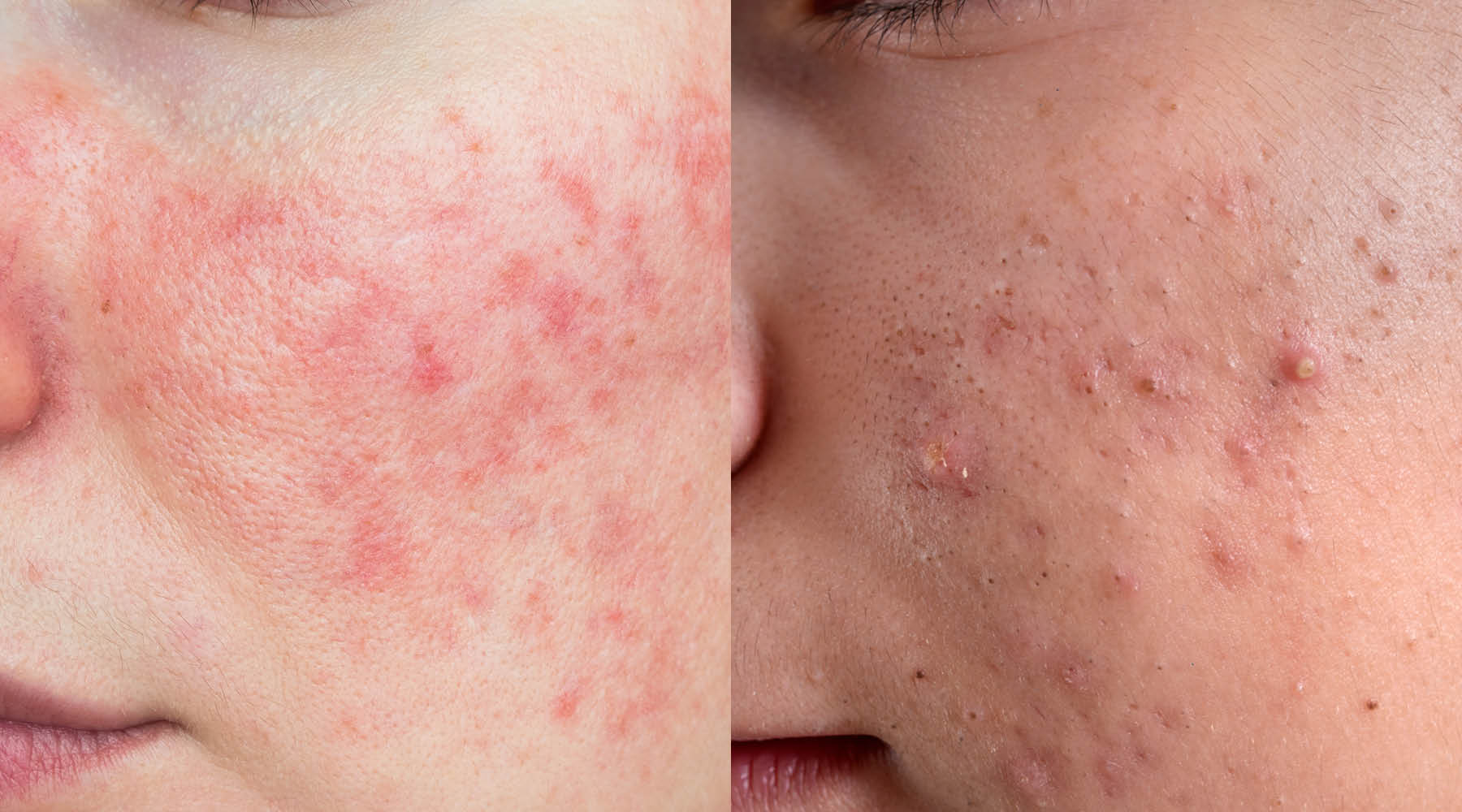
This is why rosacea linked to Bacillus oleronius is so often mistaken for acne. The presence of bumps and pustules makes it look similar, but the underlying drivers are completely different. Acne is primarily driven by C. acnes and congestion, whereas rosacea in this context is driven by immune hypersensitivity, microbial imbalance, and inflammatory signalling. Treating it like acne with aggressive actives or harsh antibacterial products doesn’t solve the problem, it often makes the skin more reactive and inflamed.
Another common mistake is focusing only on eliminating the bacteria. While reducing Bacillus oleronius can help, it doesn’t address the core issue. The real problem is the skin’s exaggerated immune response to it. If you don’t regulate pathways like TLR2, cathelicidin, and the broader inflammatory cascade, even small amounts of bacteria will continue to trigger flare-ups. This is why many treatments give short-term improvement but don’t last.
To properly manage rosacea linked to Bacillus oleronius, multiple layers need to be addressed at once. This means reducing microbial imbalance without damaging the barrier, modulating the immune response so it stops overreacting, controlling inflammation at its source, and strengthening the skin so it becomes less reactive over time. Anything less leaves part of the cycle intact.

This is where most skincare falls short. It either focuses on killing microbes or calming the skin, but rarely both in a way that restores balance. At Roccoco Botanicals, the approach is different. Instead of treating symptoms in isolation, the focus is on how microbes, immunity, and inflammation interact. By restoring that balance, the skin is able to tolerate normal microbial activity again without triggering an exaggerated response.
The key point is this: Bacillus oleronius isn’t just sitting on your skin, it’s actively driving inflammation when your immune system can’t regulate it properly. And until that response is corrected, the cycle of redness, irritation, and breakouts will continue.
If your rosacea hasn’t improved despite trying multiple treatments, it may be time to look beyond surface symptoms. When you address what’s actually driving the inflammation, your skin finally has the chance to stabilise—and stay that way.