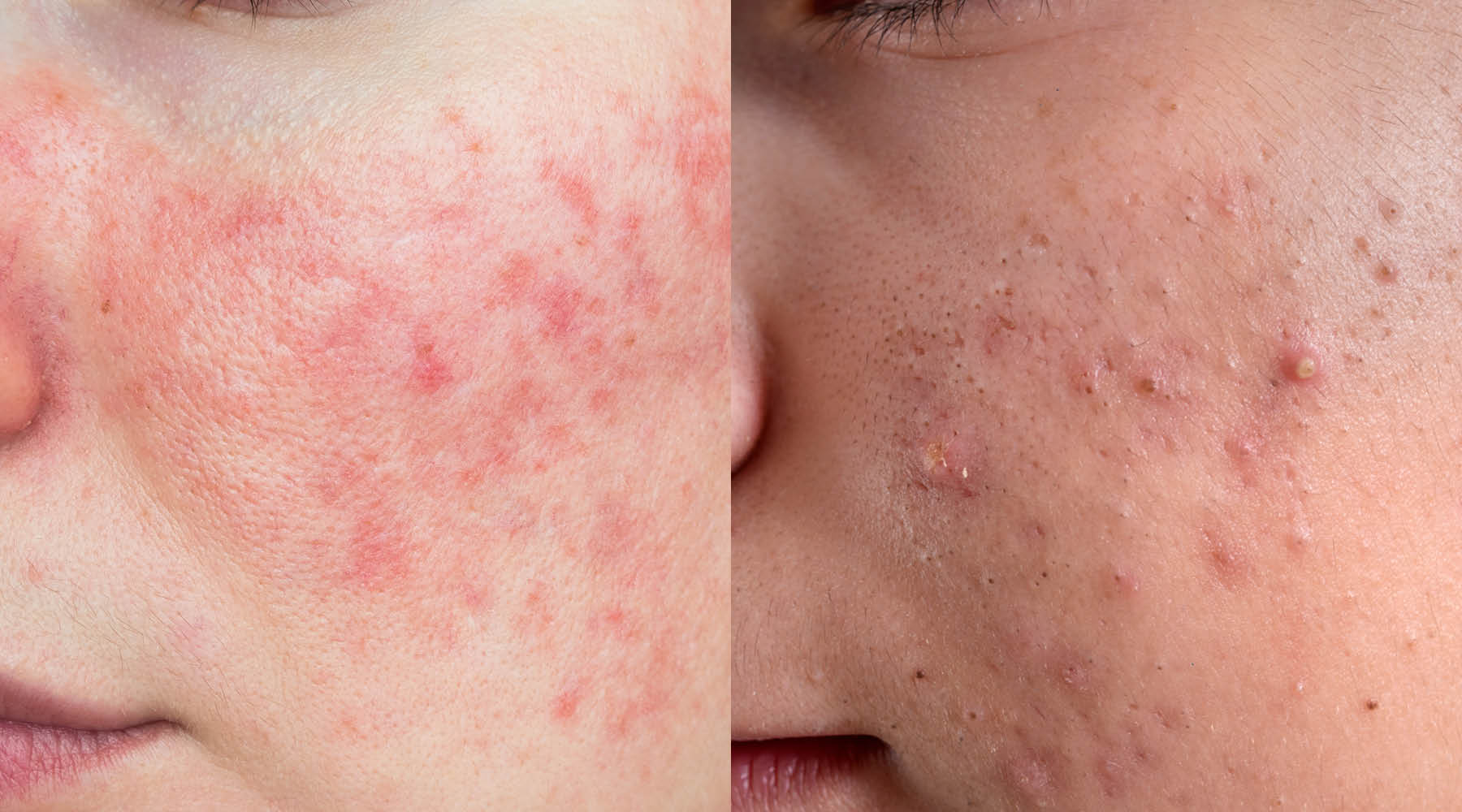
If you’ve ever questioned whether your skin is acne or rosacea, you’re not alone. Redness, inflamed bumps, and pustules that don’t behave the way you expect – it can be incredibly difficult to tell the difference. And there’s a biological reason for that confusion.
It comes down to TLR2 (Toll-like receptor 2), a key part of your skin’s immune system that plays a role in both acne and rosacea. This is one of the main reasons the two conditions can look so similar on the surface, even though they’re driven by different triggers.
TLR2 is part of your innate immune system, your skin’s first line of defence. Its job is to recognise potential threats, such as bacteria, and trigger an inflammatory response to protect you. In healthy skin, this response is tightly controlled—it activates when needed and then switches off. But in both acne and rosacea, TLR2 becomes overactive, and that’s where things start to go wrong.
In acne, TLR2 is triggered by bacteria called Cutibacterium acnes, which live inside the pore. When TLR2 detects this bacterium, it activates an immune response that releases inflammatory cytokines such as IL-1, IL-8, and TNF-alpha. This is what creates the redness, swelling, and inflamed breakouts associated with acne. It’s not just blocked pores—it’s your immune system reacting to what’s inside them.

In rosacea, TLR2 is also overexpressed, but the trigger is different. Instead of C. acnes, it’s often linked to Demodex mites and the bacteria associated with them, particularly Bacillus oleronius. When TLR2 is activated in rosacea, it drives the production of cathelicidin (LL-37) and kallikrein 5 (KLK5). These molecules are meant to protect the skin, but in rosacea they become dysregulated. Instead of helping, they amplify inflammation, damage the skin, and contribute to persistent redness and pustules.

Because both acne and rosacea involve TLR2-driven inflammation, they can present in very similar ways. You can see red, inflamed bumps, pustules, and ongoing irritation in both conditions. But while the pathway is shared, the triggers behind it are not. Acne is driven by congestion, oil, and C. acnes, while rosacea is driven by immune hypersensitivity, microbial imbalance, and vascular dysfunction.
This is where most people get it wrong. They treat what they see instead of what’s driving it. If it looks like acne, they reach for strong actives, benzoyl peroxide, or aggressive exfoliation. But if the underlying issue is rosacea with TLR2 overactivation, this approach often worsens inflammation and increases sensitivity. On the other hand, if everything is treated as “sensitive skin” and actives are avoided completely, the bacterial and inflammatory triggers involved in acne are never addressed.
At the core of both conditions is the same problem: the immune system is overreacting. TLR2 is being activated too easily, producing excessive inflammatory signals and failing to switch off properly. This leaves the skin in a constant state of inflammation, which is why it can feel unpredictable and difficult to manage.
To improve both acne and rosacea, the focus has to shift from simply treating symptoms to regulating the immune response. This means controlling microbial triggers without damaging the skin, reducing TLR2 overactivation, calming inflammatory pathways, and supporting the barrier so the skin becomes less reactive over time. Without this, the cycle continues, regardless of what products are used.
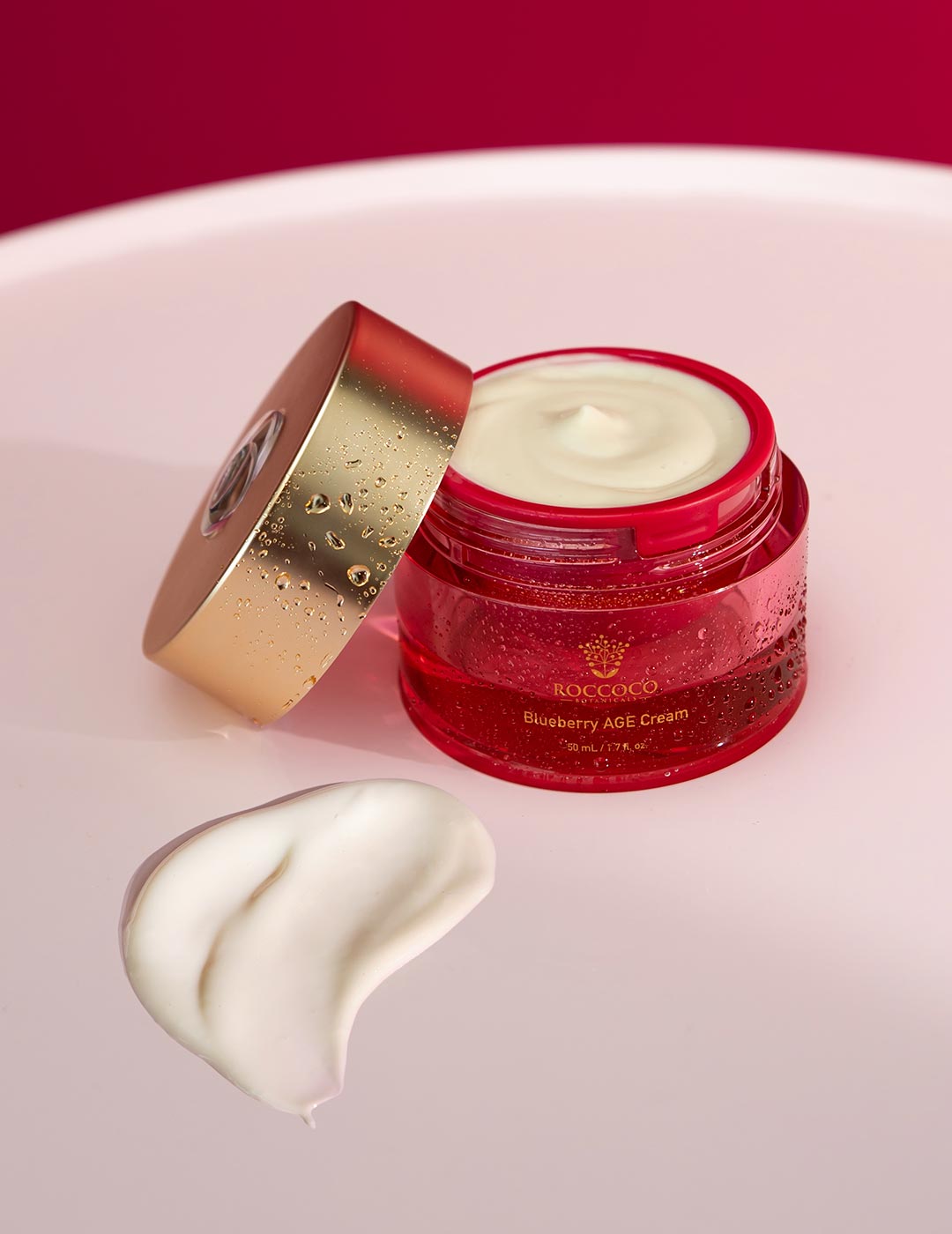
This is where most skincare falls short and where a more targeted approach makes the difference. At Roccoco Botanicals, the focus isn’t on treating acne and rosacea as completely separate conditions but on addressing the shared pathway driving both, immune dysregulation-driven inflammation. By restoring balance at this level, the skin can respond more normally rather than constantly overreacting.
The key point is this: TLR2 is one of the main reasons acne and rosacea can look the same. But if you don’t understand what’s activating it, it’s easy to choose the wrong treatment and stay stuck in the cycle. Once you address the pathway properly, your skin finally starts to behave the way it should.